Claymont Locksmith Service Team
Local locksmith team
Jun 23, 2026 11 min read
If your business sits along the Philadelphia Pike corridor — whether you're running a retail shop near the Claymont Train Station, managing a professional office off Naamans Road, or operating a multi-suite building tucked behind the old Steel Technologies site — the locks on your doors are doing more work than most people realize. They control who gets in after hours, protect your inventory and client data, and determine how quickly your staff can exit in an emergency. A weak or outdated locking system is one of those problems that feels invisible until it isn't.
Upgrading your commercial locks isn't just a security decision — it's an operational one. The right hardware, installed correctly, means fewer lockouts, cleaner access control, and faster compliance with fire codes. This guide walks through the lock upgrades that matter most for Claymont businesses: mortise locks, master key systems, and panic bars. We'll explain what each one does, when you need it, and what factors shape your final quote — so you can make a clear-headed decision before any work begins.
## Why Mortise Lock Installation Is the Foundation of Commercial Security
The mortise lock is the workhorse of commercial door hardware, and for good reason. Unlike a standard cylindrical lock — the kind you'd find on a residential door knob lock — a mortise lock is set into a deep pocket (the mortise) cut into the door itself. This gives it significantly more contact with the door structure, making it far more resistant to kick-in and forced-entry attempts. For storefront doors along Philadelphia Pike, where foot traffic is high and the door takes real wear, a mortise lock outlasts and outperforms most alternatives. The lock body houses the latch, deadbolt, and often an additional security bolt in a single integrated unit, which means fewer weak points overall.
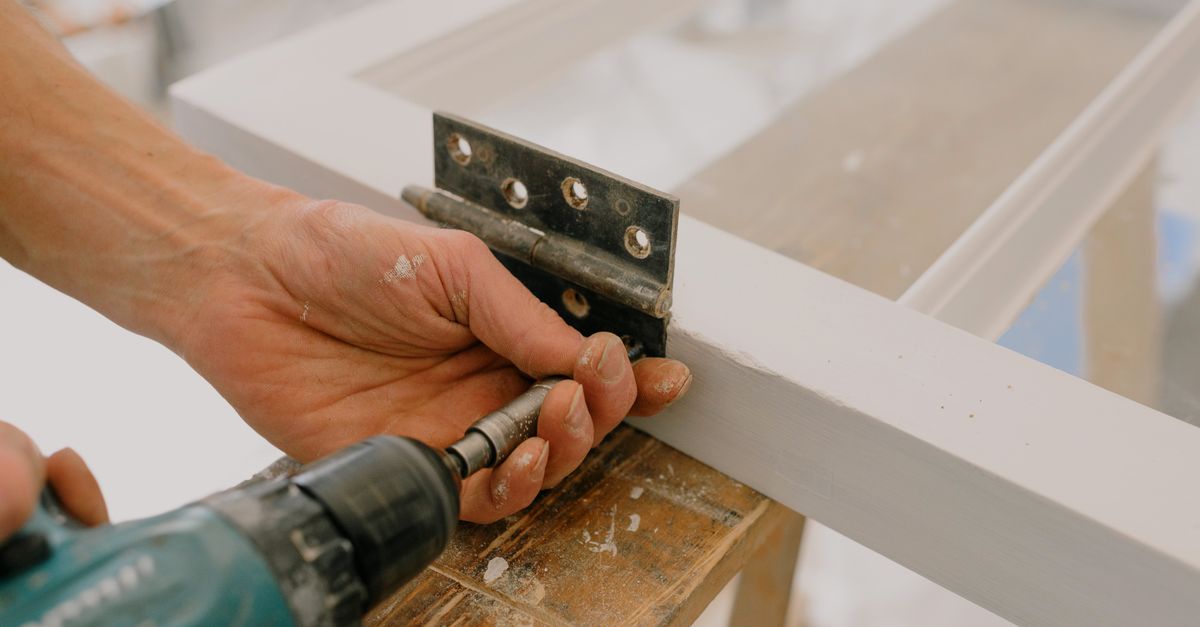
A commercial locksmith will typically assess your door thickness, frame condition, and existing hardware before recommending a specific mortise lock configuration. Older buildings in the Claymont area sometimes have non-standard door preparations that require custom backsets or replacement strike plates — details that matter enormously for a secure fit. Our team handles the full commercial lock installation from measurement through final test, and we confirm an exact up-front price before touching the door. Factors that shape your quote include the lock grade (ANSI Grade 1 vs. Grade 2), the door material — steel, hollow-core, or solid wood — the hardware finish you need, and whether the existing mortise pocket requires enlarging.
## Master Key Systems: Smarter Access for Multi-Door Businesses
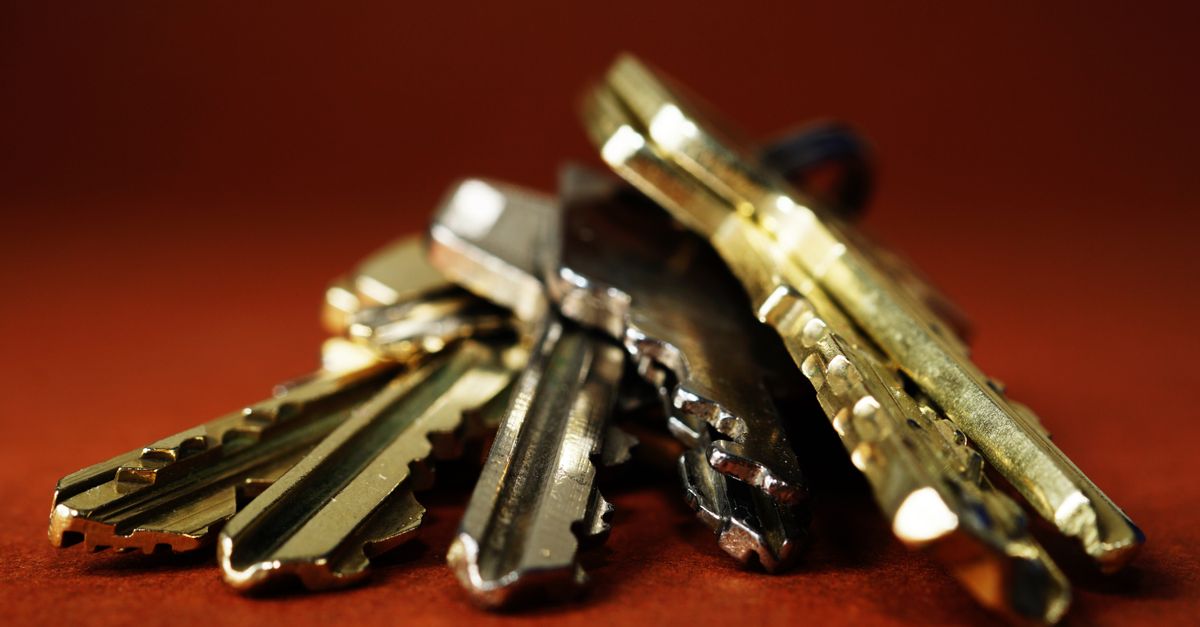
A master key system lets you issue different levels of access to different people without multiplying the number of keys in circulation. A manager carries one key that opens every door. A morning cleaning crew gets a key that only opens the lobby and restrooms. A stockroom attendant gets access to receiving but not the server room. This kind of layered access control used to require electronic card systems with expensive infrastructure — but a well-designed master key system achieves much of the same result with traditional hardware, which means lower upfront cost, no software subscriptions, and no dead batteries at 6 a.m. on a Monday.
Designing a master key system requires a commercial locksmith who understands key control and cylinder pinning at a technical level. The terminology alone — grand master, sub-master, change key, maison key — can be confusing if you haven't worked with these systems before. In plain terms: the locksmith maps out your building's zones, pins each cylinder to accept the right key at the right level, and documents the system so future rekeying stays consistent. Commercial lock rekey requests are one of the most common follow-up calls we get, usually after a key-carrying employee leaves the company. With a properly documented master key system, rekeying one zone doesn't require touching the entire building. If your Claymont business has more than three doors or more than five staff members with key access, a master key system is worth a serious conversation. Call us at (631) 380-4138 — we're available around the clock to assess your setup.
## Panic Bars, Door Knob Locks, and the Hardware That Keeps Staff Safe
Panic bars — also called push bars or exit devices — are required by fire code in most commercial occupancies, but the compliance question is only part of the story. In a genuine emergency, a panic bar lets anyone push through an exit door without fumbling for a key or a handle. For businesses with warehouse space, customer-facing lobbies, or assembly areas, that split-second difference matters. On the exterior side, most panic bar assemblies can be paired with a key cylinder so that authorized personnel can re-enter without going around to the main entrance — a practical detail that many business owners overlook until their night manager is stuck outside.
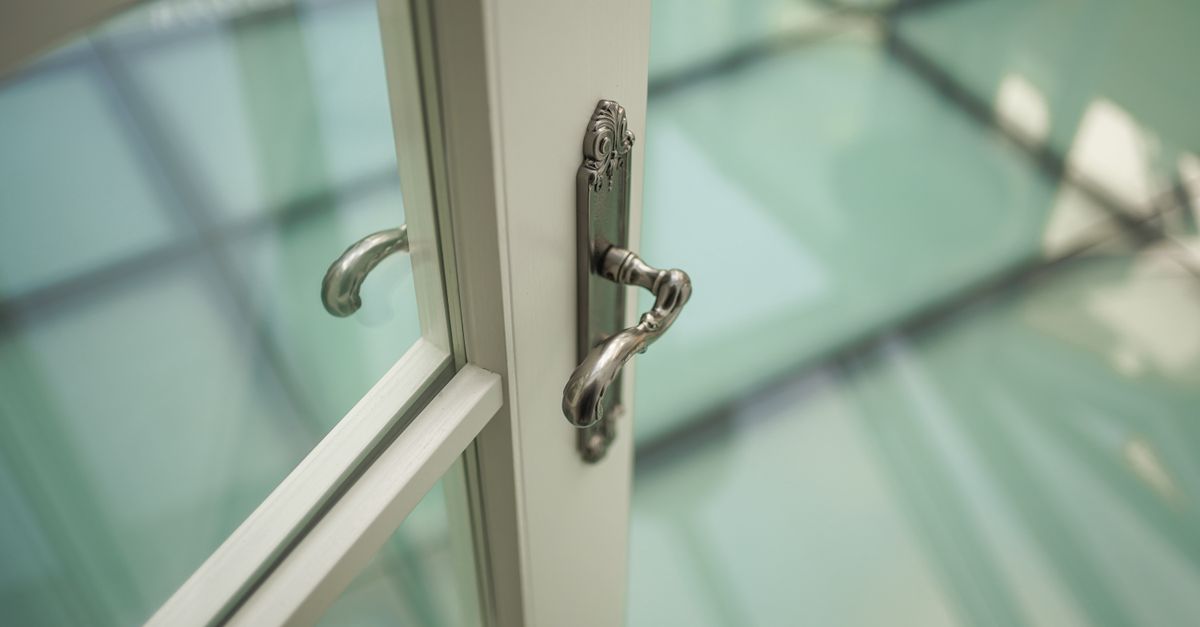
On the interior side of the access picture, the door knob lock still has a legitimate role in commercial settings — particularly for private offices, storage closets, and interior suites where a full mortise lock would be engineering overkill. The key is matching the hardware grade to the actual threat level of that specific door. A Grade 1 commercial knob lock on an interior office door is a smart, cost-effective choice; that same knob lock on a rear exit facing an alley is not. Our commercial locksmith services team will walk through your building door by door and give you honest, graded recommendations — not a one-size solution that sells you more hardware than you need.
## Commercial Lock Change and Rekey: When and Why to Act Fast
There are four situations that should trigger an immediate commercial lock change or rekey: an employee departure (especially one that wasn't friendly), a lost or unaccounted-for key, a lease transition where you're the new tenant, and a break-in or attempted break-in even if nothing was taken. Each of these represents a gap in your key control that stays open until you act. In the Claymont area, we regularly handle emergency commercial locksmith calls from businesses that waited a week after a red-flag situation and then had a second incident — the pattern is unfortunately predictable.
A commercial lock change replaces the entire lock body and is the right call when the existing hardware is damaged, worn, or simply below the security grade your business needs. A commercial lock rekey re-pins the existing cylinder so old keys no longer work — it's faster and less expensive, and it's the right call when the hardware is sound but key control has been compromised. Either service can be completed on-site by a mobile commercial locksmith without requiring you to remove doors or wait for parts to arrive, in most cases. The factors that determine your final quote include the number of locks being serviced, the lock brand and grade, whether any cylinders need replacing rather than just rekeying, and the time of day the call is made. We always confirm the exact price before any work begins — no surprises on the invoice.
## What Claymont Business Owners Should Know About Lock Terminology and Locksmith Specializations
The locksmith trade has its own vocabulary, and understanding a few key terms helps you have a more productive conversation when you call for service. A 'cylinder' is the plug that accepts the key — it's the component most often rekeyed. A 'strike plate' is the metal plate on the door frame where the bolt seats; an undersized or improperly anchored strike plate is one of the most common security vulnerabilities in commercial doors. 'Key control' refers to whether your key blanks can be duplicated at a hardware store (most can) or are restricted to authorized locksmiths (requiring a documented chain of custody). Restricted key systems are an upgrade worth discussing if your business handles sensitive client information or high-value inventory.
Locksmith specializations matter too. A residential locksmith and a commercial locksmith share many skills, but commercial work involves ANSI/BHMA hardware grades, ADA-compliant hardware requirements, fire egress regulations, and access hierarchy design — areas that require specific experience. An automotive locksmith, by contrast, specializes in transponder keys, ignition work, and vehicle entry, which is a separate knowledge set entirely. In the United States, locksmith regulation varies by state; Delaware does not currently require a state license for locksmiths, but that makes it even more important to choose a team that is insured and can demonstrate real experience with commercial hardware. In the United Kingdom, the situation is similar — the trade is largely self-regulated, with professional bodies setting voluntary standards. Regardless of jurisdiction, the practical standard is the same: ask about the technician's experience with your specific hardware type, confirm they are insured, and make sure they provide a written price before starting work. Our team at Claymont Locksmith meets all of those practical benchmarks and is available 24/7 for both scheduled upgrades and emergency commercial locksmith calls. Reach us any time at (631) 380-4138.
## Our Commercial Locksmith Services: What We Handle for Claymont Businesses
Here is a specific look at the commercial locksmith service work our mobile team handles throughout the Claymont area and the Philadelphia Pike corridor: mortise lock installation and replacement, mortise lock rekey and cylinder service, master key system design and implementation, commercial lock change on single or multi-door properties, commercial lock rekey after staff turnover or lost keys, panic bar and exit device installation and repair, ADA-compliant lever hardware installation, Grade 1 and Grade 2 commercial knob lock installation, restricted key system setup, high-security deadbolt installation on rear and alley-facing doors, door closer installation and adjustment, electric strike and access control prep work, storefront door lock service including Adams Rite hardware, sliding door lock installation, roll-up and overhead door lock service, mailroom and parcel locker hardware, key control program setup and documentation, emergency commercial lockout response, after-hours lock service for businesses that cannot wait until morning, lock inspection and security audit for lease transitions, re-pinning of existing cylinders to match a new master key hierarchy, strike plate reinforcement and door frame repair, padlock and hasp installation for storage areas and gates, cabinet lock and filing cabinet lock service, and duplicate key cutting on restricted and standard commercial key blanks. If your specific need isn't on this list, call us — our mobile team is equipped to handle a wide range of commercial hardware situations on-site.
Frequently asked questions
How much is the average locksmith charge for commercial work?+
Commercial locksmith pricing varies more than residential work because the variables are wider. The factors that shape your quote include the type and grade of hardware involved (a Grade 1 mortise lock costs more than a standard knob lock), the number of doors or cylinders being serviced, whether parts need to be sourced or are on the truck, travel distance to your location, and the time of day — after-hours and emergency calls carry a different rate than scheduled daytime work. At Claymont Locksmith, we discuss all of these factors with you on the phone and confirm an exact price before any work begins, so there are no invoice surprises. Call (631) 380-4138 to get a straight answer for your specific situation.
What is the most common locksmith task for commercial properties?+
For commercial properties, the single most common call is a commercial lock rekey following an employee departure or a lost key. It's a fast, effective way to restore key control without replacing the entire lock body — assuming the existing hardware is in good condition and the right grade for the door. Close behind that are commercial lockouts (staff locked out before or after hours), panic bar repairs or adjustments, and mortise lock servicing on older storefront doors where the hardware has worn over years of daily use. Master key system updates are also a frequent scheduled service, particularly for businesses that are growing and adding staff with different access needs.
What locks can locksmiths not open?+
A skilled commercial locksmith can open the vast majority of locks they encounter in the field — that's the nature of the profession. However, there are some high-security lock designs, particularly those with patented sidebar mechanisms, anti-pick pins, and hardened steel inserts, that are engineered specifically to resist both picking and bypass techniques, and they present a genuine challenge even for experienced technicians. In practice, for these locks, a locksmith may need to drill the cylinder as a last resort, which means the cylinder will need replacement. This is actually a selling point of high-security hardware: it protects your business from unauthorized entry attempts too. If you're considering a high-security mortise lock or restricted cylinder for your Claymont property, we can walk you through what that means in practical terms.
Should I tip my locksmith?+
Tipping a locksmith is not an industry expectation the way it might be in food service, but it is always appreciated, particularly when a technician goes above and beyond — showing up quickly for an after-hours emergency commercial locksmith call, taking extra time to explain your master key system, or solving an unexpected complication on a difficult mortise lock installation. If you feel the service was exceptional, a tip is a perfectly appropriate way to say so. The most important thing, from our perspective, is that you feel the job was done right and that the price you paid matched what was quoted before work started — that's the standard we hold ourselves to on every call.