What a House Lockout Service Actually Involves
The term 'lockout service' covers a wider range of situations than most people realize. At the most basic level, it means a skilled technician uses professional tools and hands-on knowledge to open a locked door without destroying the hardware — then helps you figure out why the lockout happened so it doesn't repeat. In practice, that can mean picking a pin-tumbler deadbolt, decoding and manipulating a mortise lock, bypassing a door knob lock that's jammed from a broken internal mechanism, or using a bump-resistant entry technique on a high-security cylinder. What it never involves is forcing, drilling unnecessarily, or kicking — approaches that damage the door frame and cost you far more in repairs.
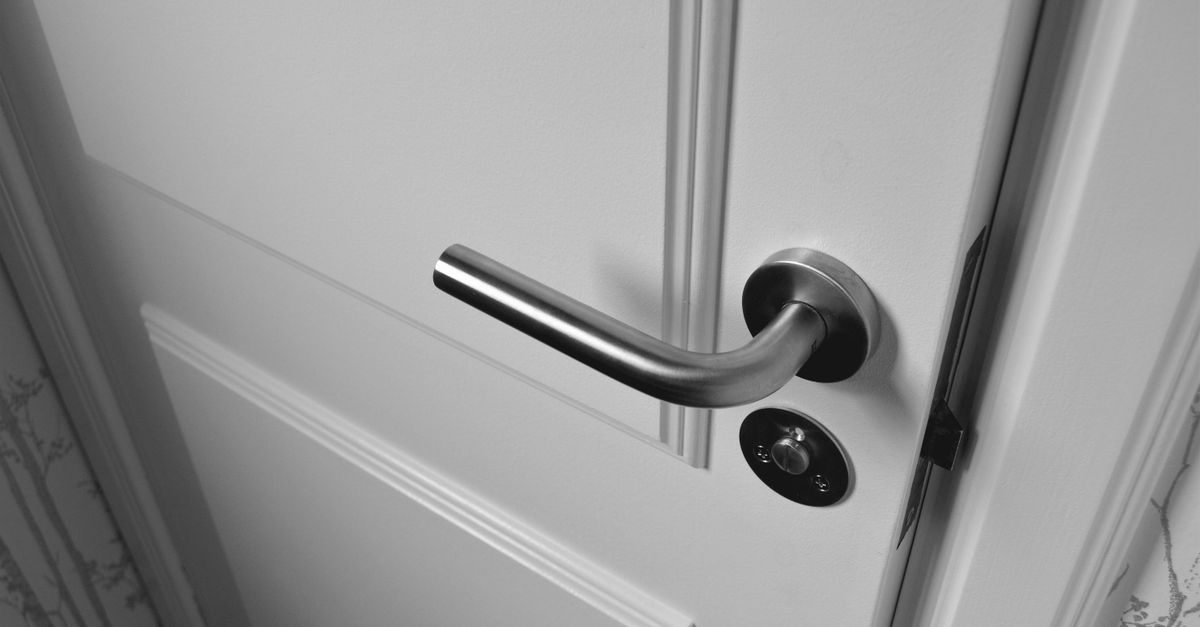
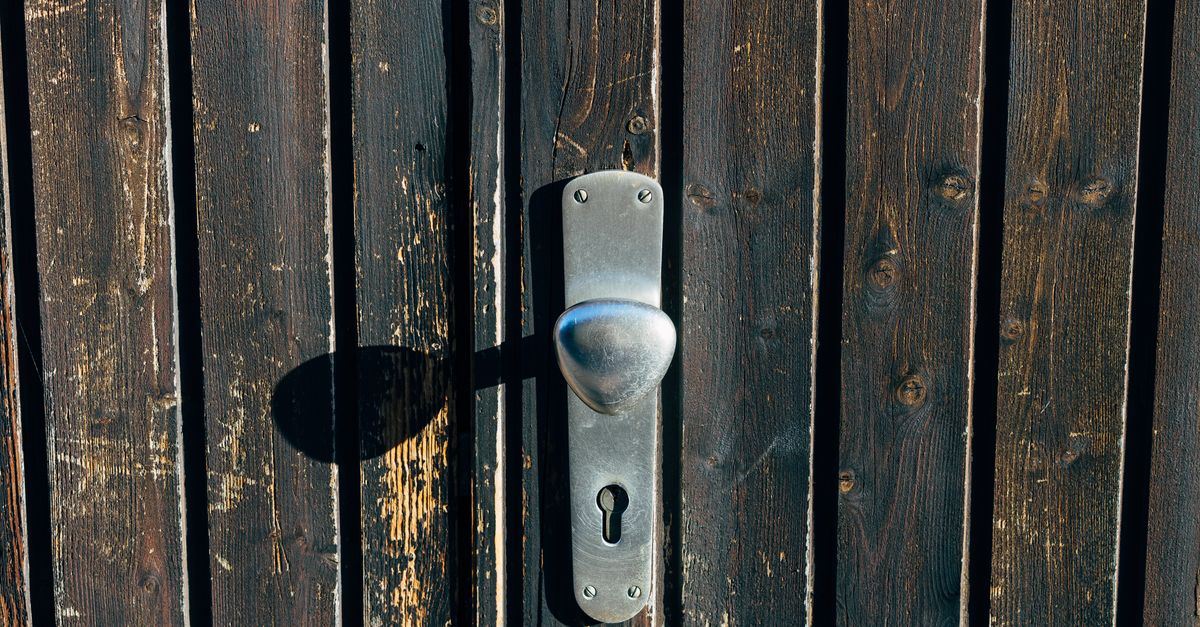
Locksmith terminology can be confusing if you haven't dealt with it before, so here's a quick orientation. A mortise lock is a complete locking unit — cylinder, latch, and deadbolt — that fits inside a pocket (the 'mortise') cut into the door edge. They're extremely common in mid-century Claymont homes and are generally more robust than a standard door knob lock or rim-mounted deadbolt. An emergency locksmith call specifically means immediate-response service outside of a scheduled appointment, and that's what we specialize in. Understanding these terms matters because the type of hardware on your door directly affects how long the job takes and what the fair price will be.