What Door Knob Lock Replacement Actually Involves — and Why It Matters
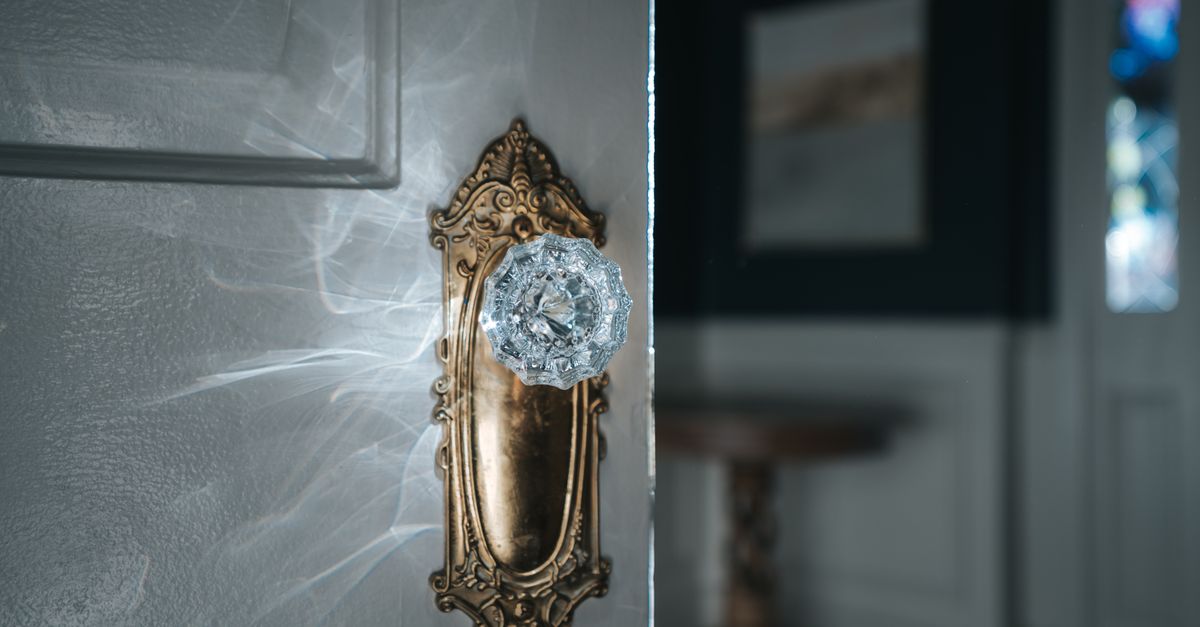
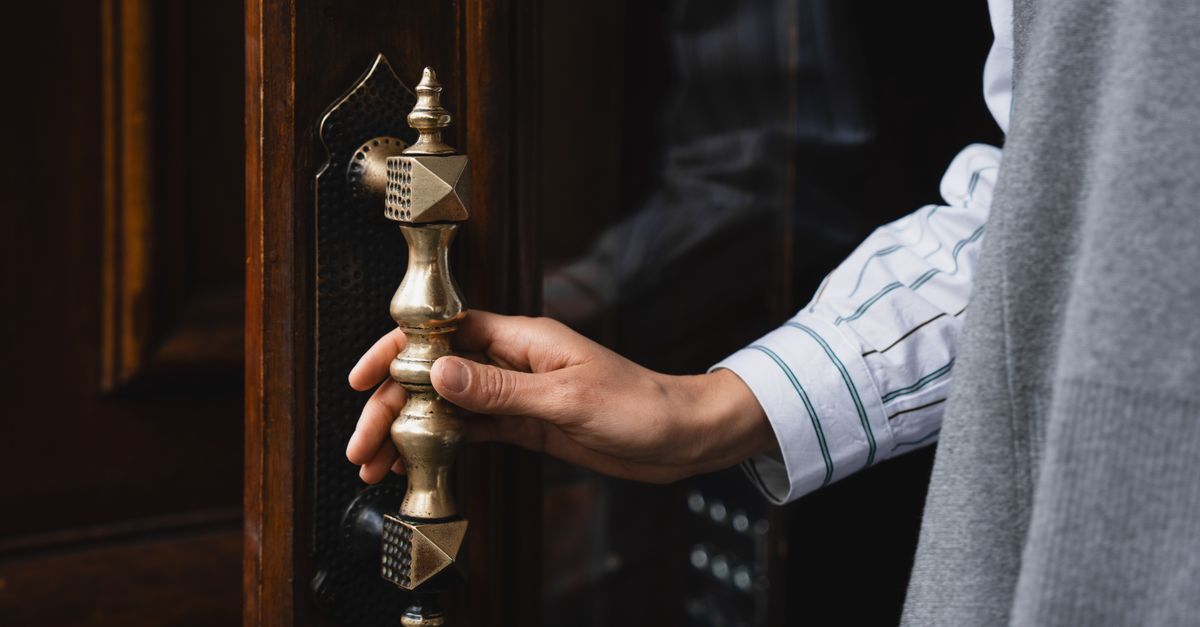
The term 'door knob lock' covers a wider range of hardware than most people realize. On the surface it looks like a simple twist-and-turn mechanism, but inside the knob sits a cylinder, a latch bolt, a spindle, and in keyed versions a full pin-tumbler core. When any one of those components wears down — as they inevitably do after years of daily use — the whole unit needs to come out. A replacement is not just swapping one knob for another; it means verifying the door thickness, confirming the cross bore and edge bore dimensions, selecting the correct backset (typically 2-3/8 inch or 2-3/4 inch), and fitting a strike plate that properly receives the latch under real-world door movement. Our technicians carry calibrated tools and a full parts inventory so the job is done damage-free where possible, without gouging the door face or forcing ill-fitting hardware.
For exterior doors, upgrading to a double lock door knob — one that locks from both inside and outside — adds a meaningful layer of deterrence, but it also raises the stakes on correct installation. An improperly seated exterior knob lock can be leveraged or shimmed far more easily than one installed flush with a correctly reinforced strike plate. We also frequently pair exterior knob replacement with a mortise lock assessment or a deadbolt addition, because a knob lock alone, regardless of brand, is not a substitute for a properly installed mortise lock on an exterior door. The mortise lock mechanism — recessed into the door edge rather than surface-mounted — provides substantially greater resistance to kick-in and pry attacks, and our team installs and services mortise lock hardware across all door types common in Claymont homes and businesses.