Claymont Locksmith Service Team
Local locksmith team
Sep 29, 2026 10 min read
You just got back into your car after being locked out on Philadelphia Pike, or a technician just finished rekeying the mortise lock on your front door — and now you're standing there wondering: do I tip this person? It's one of those awkward moments nobody really prepares you for, and unlike tipping a server or a hairdresser, the etiquette around locksmith services is genuinely unclear to most people.
The short answer is: tipping a locksmith is appreciated but never expected. The longer answer depends on the type of job, the conditions under which it was done, and what your gut tells you about the quality of service. This guide breaks it all down honestly, with some local Claymont context thrown in, so you can make a confident call the next time a technician wraps up a job at your home, vehicle, or business.
## Should I Tip My Locksmith? The Honest Answer
Unlike food delivery or a hotel porter, locksmith work is a skilled trade — closer in structure to a plumber or an electrician than to a service worker who depends on gratuity to reach a living wage. Most trained locksmith technicians are paid an hourly rate or a per-job rate, sometimes with a commission component, and their pricing already reflects the expertise, equipment, and travel time involved. Because of this, there is no social contract that makes a tip obligatory. You will not offend anyone by not tipping, and you will genuinely brighten a technician's day if you do.
That said, there are situations where a tip feels especially right — and Claymont residents deal with them regularly. If a technician drove out to Manor Avenue at 2 a.m. on a freezing January night to get you back into your house, or spent an extra twenty minutes carefully extracting a broken key from a stubborn mortise lock without scratching your antique door, those are moments that go beyond the baseline. Tipping in those cases is a direct and personal way of saying the effort was noticed.
## Emergency Locksmith Situations: When a Tip Matters Most
Emergency calls are where the tipping question gets most relevant. When you call an emergency locksmith at an unusual hour — late night, early morning, a holiday weekend — that technician rearranged their schedule, drove to your location, and showed up ready to work under pressure. The job might be technically simple (a standard lockout), but the availability and the speed of response carry real value that the service fee alone doesn't always capture.
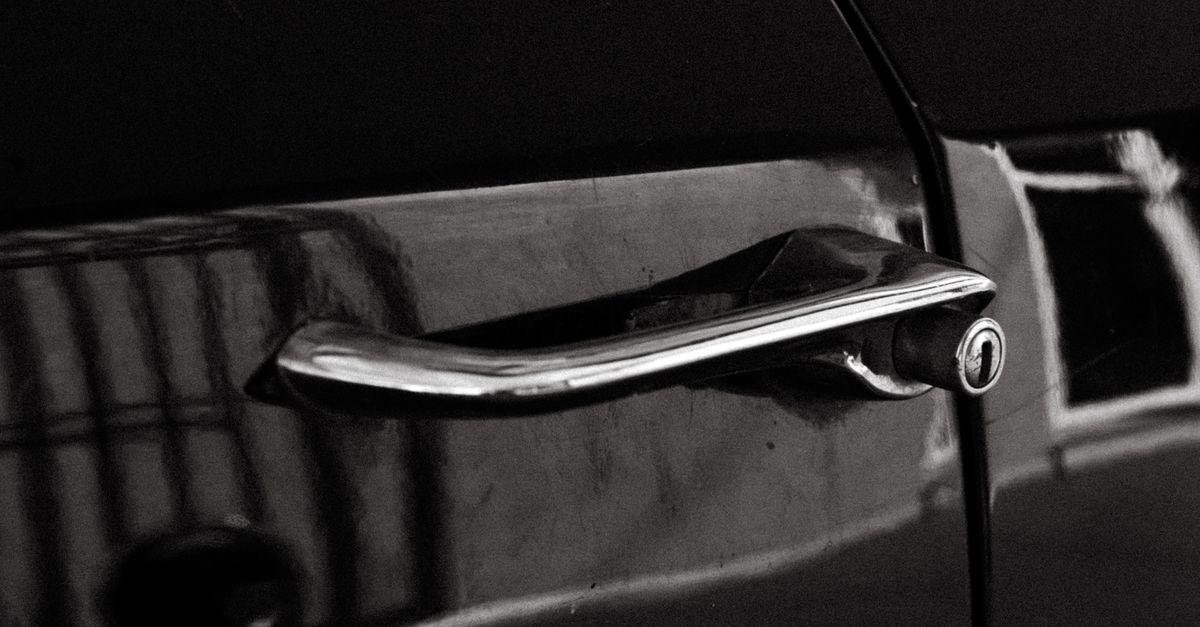
A common local scenario: a driver locked out near the Claymont SEPTA station during an evening commute rush. The technician navigates traffic, arrives promptly, and has the car open in minutes without a scratch. The job takes eight minutes. A tip in that situation is a fair acknowledgment that the skill and the readiness — not just the clock time — is what you're paying for. For emergency locksmith visits, especially after-hours ones, a tip in the range of whatever feels proportionate to you is always welcome, though never required.
## Residential and Commercial Jobs: Door Knob Lock, Mortise Lock, and Beyond
Tipping on a scheduled residential or commercial job is less common, but still a genuine option when the work exceeds your expectations. Consider what was involved: installing a high-security mortise lock on a heavy exterior door takes significantly more skill and time than swapping out a simple door knob lock. A mortise lock requires precise chiseling, alignment, and testing — it is the kind of work where an experienced technician's knowledge directly protects your home for years. If your technician explained what they were doing, worked cleanly, and left the door operating perfectly, a tip is a fine way to recognize that.
For commercial locksmith work — rekeying a multi-door office suite, installing access control hardware, or addressing a damaged lock on a loading bay — the jobs are often larger and more complex. Commercial locksmith clients typically operate on invoices, and tipping is rare in that context. However, if a solo technician handled a large job efficiently and professionally, a cash acknowledgment at the end is always appropriate and always appreciated. The decision really comes down to whether the service felt like it went the extra mile.
## Locksmith Terminology, Specialisations, and Why It Matters for Tipping
Understanding a little locksmith terminology helps you appreciate what you're tipping for. A mortise lock, for example, is a lock that fits into a pocket (the mortise) cut into the edge of the door — it is more complex to fit and service than a bored cylindrical lock. A rim lock mounts on the surface of the door rather than inside it; you may have seen these on older Claymont row homes near Manor Avenue or older properties close to the Delaware state line. Knowing the difference helps you understand why one installation job takes twice as long as another.
Locksmith specialisations are also worth knowing. Automotive locksmiths work specifically on vehicle locks and ignition systems, including transponder key programming. Residential locksmiths focus on door hardware — from basic door knob locks to complex mortise lock installations and deadbolts. Commercial locksmiths handle master key systems, panic bars, and electronic access control. Safe technicians work on combination and electronic safes. A single mobile technician may cover several of these areas, but deeper specialisation means more experience in that niche — and more skill worth recognizing when the job goes smoothly.
From a regulation standpoint, the locksmith industry varies significantly by country. In the United Kingdom, there is currently no statutory licensing requirement to work as a locksmith, though industry bodies provide voluntary accreditation schemes and trained professionals are expected to follow a code of conduct. This lack of formal regulation has driven consumer awareness campaigns about verifying credentials before letting anyone work on your locks. In the United States, regulation is handled at the state level and varies widely — some states require a license to practice, while others, including Delaware, do not mandate a statewide locksmith license, though individual localities may have their own requirements. This is exactly why choosing a trained, insured, experienced technician — rather than an unknown operator — matters so much for both your safety and your peace of mind.
## What Most People Don't Know About Locksmith Charges and Tipping Etiquette
One reason tipping confusion exists is that many people don't fully understand how locksmith pricing works. Factors that affect your final quote include the type of lock or vehicle involved, the time of day, how far the technician travels to reach you, and whether specialty parts are needed. A mortise lock installation on a solid hardwood door will naturally involve different considerations than opening a standard car lock. At Claymont Locksmith, we confirm an exact up-front price before any work begins — so there are no surprises at the end, and your tip decision is made with a clear picture of what the job cost. If you ever have questions about what goes into a quote, just ask your technician — a straightforward explanation is always part of the service. You're welcome to call us anytime at (631) 380-4138 and we'll walk you through what to expect before we even dispatch.
Practically speaking, if you do decide to tip, cash is the simplest and most direct method. A tip handed directly to the technician at the end of the job is always the clearest gesture. You don't need a set formula — a modest amount for a quick standard job, a more generous amount for a complex, after-hours, or particularly well-executed job. The most important thing is that it's voluntary, personal, and based on your actual experience of the service.
## Common Questions: What Locksmiths Actually Do and What They Can't Open
The most common locksmith task, by far, is the lockout — helping someone regain access to their home, car, or business when keys are lost, broken, or simply left inside. It's a scenario that happens to careful, organized people all the time, and a skilled technician can resolve it quickly and without damage in most cases. Beyond lockouts, rekeying locks and replacing worn or damaged hardware are everyday requests. Mortise lock servicing — including lubrication, adjustment, and full replacement — is another frequent job, especially in older Delaware homes where this style of lock has been standard for decades.
As for what locks locksmiths cannot open: the honest answer is that a highly experienced technician can open most residential and commercial locks through legitimate, non-destructive methods. However, certain high-security locks — those with anti-pick, anti-drill, and anti-bump engineering — are deliberately designed to resist even skilled attempts, and some may require drilling as a last resort (which means the lock must then be replaced). Locks with extensive physical damage, or safes with forgotten combinations and no manufacturer backup, can also present genuine challenges. A good technician will always tell you upfront what to expect, rather than promise a quick fix they can't guarantee.
## Our Services Claymont Locksmith Provides Around the Clock
Claymont Locksmith is a fully mobile, 24/7 operation serving Claymont and the surrounding Delaware communities. Our technicians handle a wide range of jobs, including: residential lockouts, automotive lockouts, commercial lockouts, mortise lock installation, mortise lock repair and servicing, door knob lock replacement, deadbolt installation, lock rekeying, master key system setup, high-security lock upgrades, transponder key programming, car key duplication, ignition repair and replacement, broken key extraction (door and ignition), door lock cylinder replacement, padlock opening and replacement, sliding door lock installation, window lock installation, smart lock and keypad lock installation, access control system installation, panic bar installation, mailbox lock replacement, safe opening, safe combination changes, and storage unit lock services. Whether it's a quick lockout on a residential street near the Claymont Community Center or a full commercial rekeying job, we come to you fully equipped.
Frequently asked questions
Should I tip my locksmith after an emergency call?+
You are never obligated to tip, but it is a genuinely appreciated gesture — especially for after-hours emergency calls. If a technician responded quickly, worked carefully, and handled your situation professionally under difficult conditions (late at night, bad weather, a stressful lockout), a tip is a direct and personal way to acknowledge that effort. There is no set standard amount; the gesture itself is what counts.
How much is the average locksmith charge, and does tipping change the price I'm quoted?+
Locksmith pricing depends on several factors: the type of job (a mortise lock installation involves more labor than a basic door knob lock swap), the time of day, how far the technician travels, and whether specialty parts are required. At Claymont Locksmith, we provide an exact up-front price before any work starts, so tipping is entirely separate from and has no effect on your quoted price. Your tip goes directly to the technician as a personal acknowledgment of their work — it is never built into or expected as part of the service fee.
What locks can locksmiths not open?+
Most residential and commercial locks can be opened through legitimate, non-destructive methods by an experienced technician. The exceptions are high-security locks specifically engineered with anti-pick, anti-drill, and anti-bump features — these may require drilling in some cases, which means the lock will need replacement afterward. Heavily damaged locks and high-security safes with no recovery backup can also be genuinely difficult. A straightforward technician will always tell you upfront what the likely approach is and what to expect, rather than guarantee a result they cannot predict.
What is the most common locksmith task, and does it usually warrant a tip?+
The most common locksmith task is the lockout — helping someone regain access to their home, vehicle, or business. It happens to careful people every day. Even though a lockout can sometimes be resolved quickly, the skill, equipment, and immediate availability that make that possible represent real value. If your technician arrived fast, handled the job cleanly, and left you with peace of mind, a tip is a perfectly appropriate way to say thank you — though again, it is always your choice and never expected.