Claymont Locksmith Service Team
Local locksmith team
Oct 13, 2026 11 min read
If you've ever been locked out on Philadelphia Pike at 11 p.m. or realized your front deadbolt is failing the morning after a break-in attempt nearby, you already know that calling a locksmith in Claymont, DE isn't a casual decision — it's an urgent one. What you want before you pick up the phone is a clear sense of what the job should cost and why, so you're not guessing in a stressful moment. This guide breaks down exactly that: the real factors that shape locksmith pricing in the Claymont area, from a simple car lockout to a full mortise lock installation, so you can make a confident, informed call.
Claymont sits at a unique crossroads — a tight-knit Delaware community pressed right up against the Pennsylvania state line, with a mix of older rowhomes along Manor Avenue, newer construction near the Claymont Renaissance development, and a steady stream of commuters using I-95. That mix of property types and around-the-clock activity is exactly why understanding locksmith pricing here matters. Whether you need an emergency locksmith at midnight or a scheduled mortise lock upgrade on a historic front door, the price drivers are the same — and knowing them puts you in control.
## How Much Is the Average Locksmith Charge in Claymont?
There is no single flat rate for locksmith work, and any quote you see posted without knowing your specific situation is a rough estimate at best. The final price for any job in Claymont is shaped by four core factors: the type of lock or vehicle involved, the time of day the work is needed, how far the technician needs to travel to reach you, and whether any parts — such as a new mortise lock body, a deadbolt cylinder, or a car key blank — are required. A straightforward residential door knob lock rekey during business hours involves far fewer variables than an emergency locksmith call at 2 a.m. to extract a broken key from a high-security deadbolt. What our team at Claymont Locksmith always does before touching anything is confirm an exact, up-front price with you — no surprise totals when the job is done.
To give you a realistic mental framework: locksmith tasks broadly fall into three tiers. The first tier covers access calls — car lockouts, house lockouts, and basic lock picking when keys are lost. The second tier involves hardware work — rekeying, deadbolt installation, door knob lock replacement, and mortise lock servicing. The third tier is specialty or commercial work — master key systems, access control, high-security lock upgrades, and commercial locksmith projects for businesses along Naamans Road or in the Claymont industrial corridor. Each tier reflects a different level of labor, tooling, and parts cost, which is why pricing is always job-specific.
## Mortise Lock Installation and What the Terminology Actually Means
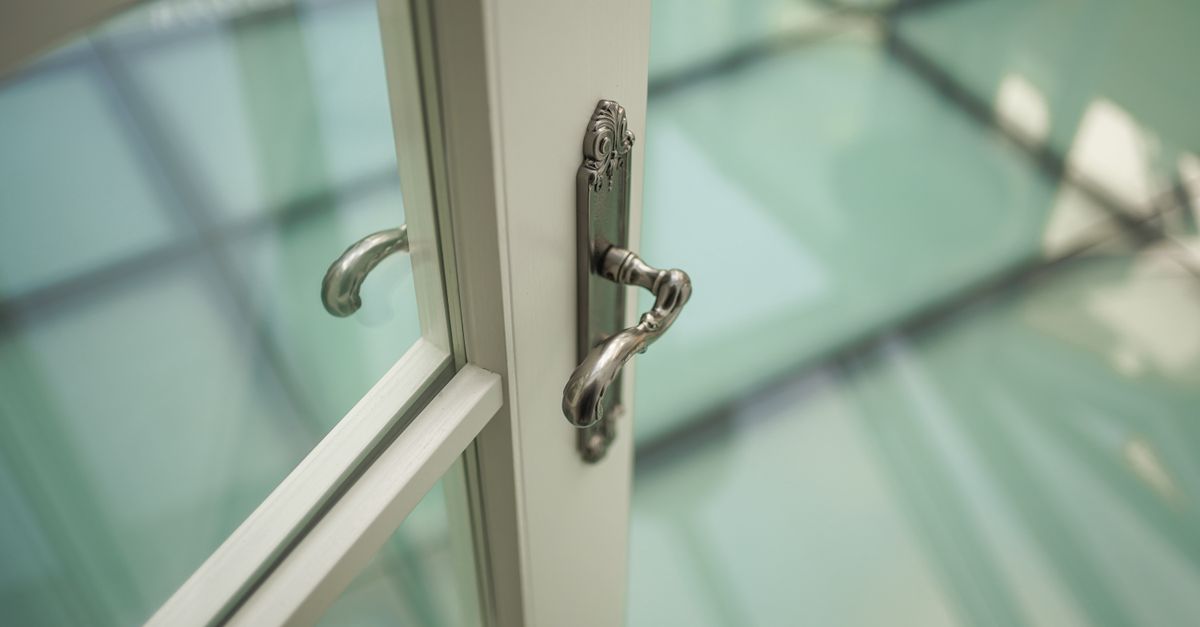
One of the most common sources of confusion when calling a locksmith is the terminology. Customers often describe their lock by what it looks like rather than what it is, and that gap can lead to mismatched quotes. A mortise lock, for example, is a lock set that fits into a deep rectangular pocket — called a mortise — cut into the edge of a door. It houses the latch, deadbolt, and sometimes a cylinder all within a single steel case inside the door. This is different from a bored cylindrical lock, which is what most interior door knob locks are, and different again from a rim lock, which mounts entirely on the surface of the door rather than inside it. If you've ever wondered how does a mortise lock work, the short answer is that turning the key or thumb-turn rotates a cam inside the case, which drives the bolt in or out through a precisely engineered mechanism — which is also why mortise lock repair and installation requires more time and skill than a standard deadbolt swap.
Rim locks come up most often in conversations about older Claymont row homes with original wooden doors, but the term also appears in an entirely different context: motorcycle and off-road riding. A rim lock on a dirt bike is a small metal clamp bolted through the wheel rim that grips the tire bead, preventing the tire from spinning on the rim when air pressure drops — it has nothing to do with door security. When customers ask what does a rim lock do or how does a rim lock work on a dirt bike, they're asking about that wheel component, not a door lock at all. Knowing this distinction helps when you're searching for information or describing a job to a technician. Our team handles residential and commercial door hardware — if you're calling about a mortise lock, a deadbolt, or a door knob lock, you're in exactly the right place.
## Locksmith Specialisations: Matching the Right Skill to Your Job
Locksmithing is not one-size-fits-all, and understanding the specialisations helps you know what to ask for. A residential locksmith focuses on home entry points — front doors, back doors, patio sliding doors, and interior rooms. Their core toolkit includes rekeying, deadbolt installation, mortise lock service, and emergency lockout response. A commercial locksmith works on a broader and more complex range of hardware: panic bars, electromagnetic door closers, card-access readers, master key systems that cover dozens of doors across a facility, and high-cycle-rated locks built for heavy daily use. If you manage a property along Philadelphia Pike or run a business near the Darley Road commercial strip, commercial locksmith services are what you need — not a residential call.
Then there is the automotive specialisation, which covers car lockouts, transponder key programming, key fob replacement, and ignition work. Can a locksmith unlock my car? Yes — a trained automotive locksmith can open most passenger vehicles without damage using specialized tools, and can often cut and program a replacement key on the spot from a mobile van. At Claymont Locksmith, our mobile technicians carry equipment for all three specialisations, which means a single call to (631) 380-4138 covers your home, your business, and your vehicle — no need to track down separate providers. If you're unsure which service category fits your situation, just describe the problem and we'll sort it out.
## What Is the Most Common Locksmith Task — and When Does an Emergency Locksmith Make Sense?
The most common locksmith task, by a wide margin, is the lockout call — someone locked out of their home, apartment, or car. It accounts for the majority of service calls across every type of locksmith operation, and it's the scenario where response time matters most. For Claymont residents, being locked out in winter near the train station or on a side street off Manor Avenue after dark is a genuine safety concern, not just an inconvenience. That's exactly the situation where calling an emergency locksmith — one available around the clock, every day of the year — is the right move rather than waiting until morning. Our team is mobile and 24/7, which means the same trained technician who handles a midnight lockout can also return the next day for a scheduled mortise lock upgrade or a full rekey after a move.
The second most common task is rekeying after a change in occupancy — new homeowners, tenants moving out, or a key going missing. Can a locksmith open a deadbolt during a lockout? Yes, and a skilled technician can typically do so without any damage to the lock or door frame, preserving the hardware for continued use. Can a locksmith install a deadbolt on a door that currently has only a knob lock? Absolutely — adding a deadbolt to an existing door is one of the most requested upgrades we handle in Claymont's older housing stock, and it can often be paired with a mortise lock installation if the door frame supports it. If you're scheduling non-emergency work, calling ahead gives us the chance to source the right hardware — whether that's a Schlage or Kwikset deadbolt, a Mul-T-Lock cylinder, or a period-appropriate mortise lock for an older home.
## Regulation, Credentials, and What to Verify Before Anyone Touches Your Lock
In the United States, locksmith regulation varies significantly by state. Delaware does not currently require locksmiths to hold a state-issued license, which means the barrier to operating is lower than in states like New Jersey or Maryland. That reality makes it more important — not less — to ask the right questions before work begins. Look for a technician who is insured, arrives in a marked vehicle, carries proper identification, and is willing to verify your ownership of the property before opening anything. A professional locksmith will never open a lock without confirming you have the right to access it — that's not a formality, it's an ethical and legal standard our team holds to on every call.
In the United Kingdom, the situation is similar: locksmithing is largely unregulated at the national level, though voluntary professional bodies exist and responsible firms maintain their own training standards. In both the UK and the US, the practical takeaway is the same — credentials on paper matter less than evidence of real-world training, insured operation, and transparent pricing. At Claymont Locksmith, our technicians are trained and experienced across residential, commercial, and automotive work, and we carry insurance on every job. We'll always confirm your identity and ownership before any lock is opened, and we'll always give you an exact price before any work starts. For questions about what we can verify or what a job will involve, call us directly at (631) 380-4138 — we answer 24/7 and are happy to talk through anything before you commit.
## Our Full Range of Locksmith Services in the Claymont Area
Claymont Locksmith handles a wide range of jobs across residential, commercial, and automotive categories. Our services include: house lockouts, car lockouts, deadbolt installation, deadbolt rekeying, mortise lock installation, mortise lock repair, mortise lock rekeying, door knob lock replacement, door knob lock rekeying, master key system design and installation, high-security lock upgrades, key duplication, broken key extraction, transponder key programming, car key fob replacement, ignition repair and replacement, sliding door lock repair, patio door lock installation, mailbox lock replacement, garage side door lock installation, commercial door hardware installation, panic bar and push bar installation, access control system installation, electromagnetic door holder installation, smart lock installation and programming, lock bumping and picking resistance upgrades, and safe lockout and combination changes. Whether your need is urgent or planned, our mobile team brings the tools and hardware directly to your Claymont address.
Frequently asked questions
Should I tip my locksmith?+
There is no industry standard that requires a tip for locksmith services, and most professional technicians do not expect one. That said, if a technician arrived quickly in the middle of the night, handled a stressful situation with patience, or went above and beyond — for example, taking extra care with a delicate mortise lock on an antique door — a tip is always a welcome gesture of appreciation. It's entirely at your discretion.
What locks can locksmiths not open?+
A well-trained locksmith can open the vast majority of residential and commercial locks using legitimate, non-destructive methods. High-security locks — such as those with advanced anti-pick pins, restricted keyways, or hardened steel inserts — require more time and specialized tools, but they are not impossible to open. The main exception is a lock that has been physically destroyed or severely damaged, where entry may require controlled drilling rather than picking. In those cases, the lock typically needs to be replaced afterward. A professional will always choose the least invasive method possible and will never attempt an opening without confirming your right to access.
Can a locksmith install a deadbolt on any door?+
Most standard exterior doors in Claymont homes can accommodate a deadbolt installation, but a few factors matter: the door material (wood, fiberglass, or hollow-core), the thickness, and whether the door frame is solid enough to support a strike plate properly. Older doors that already have a mortise lock may require a different approach — sometimes integrating deadbolt functionality into the existing mortise case rather than drilling a new bore. Our technicians assess the door on-site before recommending hardware, and we'll explain exactly what fits and why before any drilling begins.
How does a mortise lock differ from a regular deadbolt, and which is better for my Claymont home?+
A standard deadbolt is installed through a cylindrical bore drilled through the door, making it relatively quick to install and widely available in hardware stores. A mortise lock is set into a rectangular pocket cut into the door edge, and it combines the latch, deadbolt, and cylinder in a single, more robust unit. Mortise locks generally offer greater resistance to forced entry and a longer service life — which is why they remain the lock of choice on many of Claymont's older homes and on commercial doors that see heavy daily use. The trade-off is that installation requires more labor and precision. Which is right for your door depends on the door construction and your security goals — our technicians can walk you through both options when they assess your property.