Claymont LOCKSMITH
Locksmith Service

Commercial & Business Lockout

When a locked door stands between your staff and a productive workday — or between you and a secure storefront at 2 a.m. — every minute costs more than you can afford to lose. Claymont Locksmith is a fully mobile, 24/7 emergency locksmith service rooted right here in Claymont, DE. Our trained, insured technicians drive directly to your location across the Claymont area, from the busy commercial corridors along Philadelphia Pike to the industrial pockets near the Claymont Steel site, so you never have to tow a situation to us.

Open 24 hours, 7 days a week · Licensed, bonded & insured

We specialize in urgent after-hours access for storefronts, offices, warehouses, and multi-tenant commercial buildings. Whether your property is secured by a heavy-duty mortise lock, a door knob lock, a keypad entry system, or a panic-bar exit device, our skilled technicians arrive equipped to handle the situation with a damage-free approach wherever the lock and door conditions allow. This page walks you through exactly what a commercial lockout response looks like, what factors shape your final quote, and why professional intervention is always the right call when business property access is on the line.

What we do

Available 24/7

Day, night, weekends and holidays — a real local locksmith answers and rolls a fully-stocked van.

Fast local response

Based in Claymont, we reach the Claymont area in well under an hour.

Insured & background-checked

Vetted technicians, up-front pricing, and no surprise add-ons when we arrive.

Damage-free entry

We pick and bypass locks the right way, so most lockouts are solved without drilling anything.

What 'Commercial Lockout' Really Means — Terminology and Scope — Claymont Locksmith

What 'Commercial Lockout' Really Means — Terminology and Scope

The term commercial lockout covers a wider range of scenarios than most business owners realize until they are standing outside their own building at midnight. In the locksmith trade, a commercial lockout refers to any situation where an authorized occupant — an owner, manager, employee, or emergency responder — cannot gain entry to a non-residential property because of a lock-related failure. That failure can be a lost key, a snapped key left in the cylinder, a mortise lock whose cylinder has seized due to wear or cold weather, a door knob lock that has jammed after a power surge on an electronic variant, a malfunctioning keypad, or a deadbolt that was accidentally engaged when the last person left for the night. Each scenario calls for a different technical response, and lumping them all under 'just open the door' undersells the expertise required.

Locksmiths also use terms like lock picking, impressioning, decoding, and bypass — but it is important to understand that professional, ethical technicians apply these skills only after verifying ownership or authorization, and only using industry-accepted methods that protect the integrity of the hardware. What you will never receive from our team is an explanation of forced-entry or destructive techniques, because the goal is always to restore your access while preserving the door, the frame, and the lock itself for continued use. The terminology matters because it also tells you what questions to ask any technician who shows up at your property: a skilled commercial locksmith will be able to name the specific technique appropriate to your specific hardware before touching anything, and will explain the process clearly.
Mortise Lock, Door Knob Lock, and Commercial Hardware — Locksmith Specialisations in Practice — Claymont Locksmith

Emergency Locksmith Response for Claymont Businesses — What Happens When You Call

The moment you call (631) 380-4138, a real person answers — not an answering service or a callback queue. Our dispatcher collects your exact address, the type of door and lock involved if you know it, and a brief description of the situation. That information goes immediately to the nearest available trained technician, who loads the mobile unit and heads your way. Because Claymont sits right at the Delaware-Pennsylvania border, with major routes like I-95 and Route 13 feeding directly into the commercial district, our response window is tight. We know this area: a business on Naamans Road is a different drive than one tucked into a side street off Market Street, and our dispatchers account for that.

When the technician arrives, the first step is always identity and authorization verification. We confirm you have the right to access the property — through business documentation, a lease agreement, a government-issued ID matching the business registration, or similar proof — before any tools come out of the van. This protects you as much as it protects the property. After verification, the technician performs a hands-on assessment of the lock: is it a mortise lock with a seized cylinder, a door knob lock with a broken cam, a multi-point locking system on a storefront glass door, or something else entirely? Only then does the technician quote you an exact price, upfront, before work begins. That quote reflects the lock type, the complexity of the entry method required, the time of day, travel distance, and whether any parts — a new cylinder, a replacement mortise lock body, a rekeyed set of keys — are needed. You approve the number before a single tool touches your door.

Full List of Commercial and Business Lockout Services We Provide — Claymont Locksmith

Mortise Lock, Door Knob Lock, and Commercial Hardware — Locksmith Specialisations in Practice

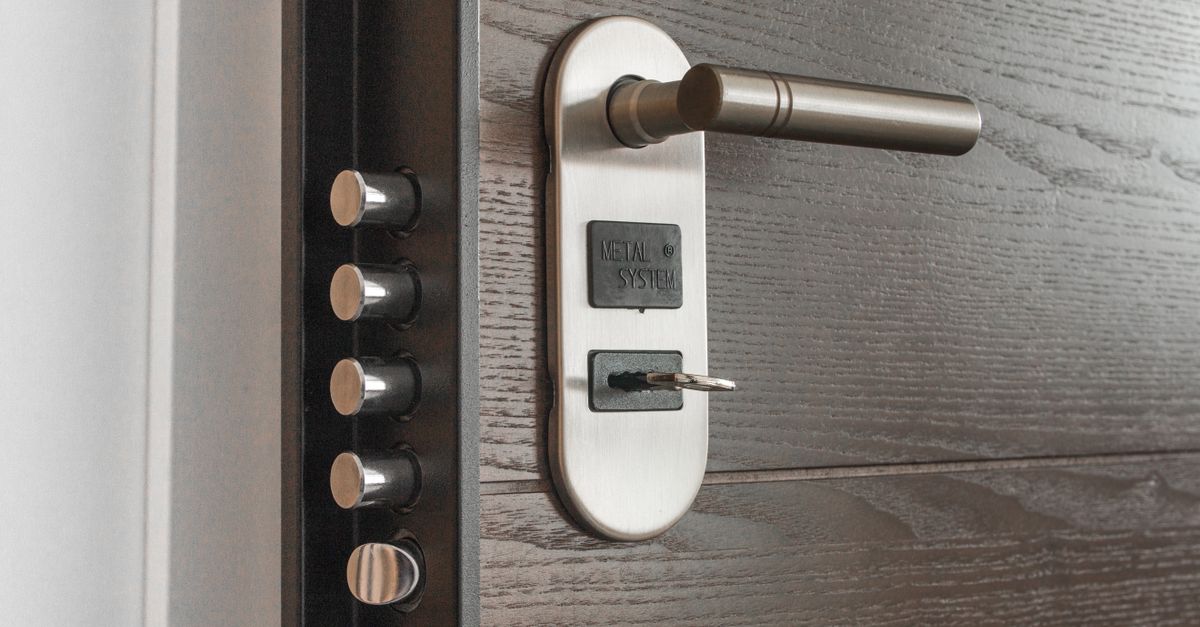
Commercial doors in Claymont's storefronts and office buildings are rarely secured by the same hardware you would find on a residential front door. The mortise lock is the workhorse of commercial security: a rectangular lock body that is mortised — recessed — directly into the door edge, housing the latch, deadbolt, and sometimes a privacy or passage function all in a single steel case. Mortise locks are more complex to service than a standard cylindrical lock, and a technician who has only worked residential jobs will often be underprepared when facing one. Our team is specifically experienced with mortise lock mechanisms, including older schlage and Kwikset commercial-grade units commonly found in Claymont's mid-century office buildings, as well as modern high-security variants.

Beyond the mortise lock, commercial properties use a range of specialized hardware our technicians are trained to handle: rim-mount exit devices (crash bars), electromagnetic door holders, electric strikes paired with access control panels, surface-mounted deadbolts, multi-point locking systems on aluminum storefronts, and interconnected locksets on fire-rated doors. A door knob lock on an interior office door may seem simple, but when it is part of a keyed-alike suite system or a restricted-keyway master key hierarchy, accessing it without disrupting the rest of the system requires real expertise. This is what locksmith specialisation means in practice — not just opening a door, but understanding how every component interacts with the larger security architecture of the building, and making decisions that keep the whole system functional after the emergency is resolved.

What 'Commercial Lockout' Really Means — Terminology and Scope — Claymont Locksmith

How Commercial Locksmith Regulation Works — United States and United Kingdom Context

If you have ever wondered why some locksmith services feel professional and others feel uncertain, part of the answer lies in how the industry is regulated — and in the United States, regulation is genuinely inconsistent. In the U.S., there is no single federal licensing framework for locksmiths. Regulation falls to individual states, and the rules vary widely: a handful of states have formal licensing requirements, while others — including Delaware — rely on general business registration and consumer protection laws rather than a locksmith-specific license. This means the phrase 'licensed locksmith' in a Delaware advertisement does not carry the weight it might in a state with a strict licensing board. What matters more in this environment is verifiable insurance, documented training, a traceable physical presence in the community, and a track record with real local customers.

The contrast with the United Kingdom is instructive. The UK has historically had a similar patchwork of voluntary schemes — the Master Locksmiths Association being the dominant trade body — but no mandatory national licensing either, which has driven consumer advocacy for clearer credentialing. The takeaway for Claymont business owners is straightforward: rather than relying on a license number as a shortcut for trust, look for a mobile locksmith who is insured, willing to verify your identity and ownership before opening anything, transparent about pricing before work starts, and reachable by a consistent, local phone number. Claymont Locksmith meets all of those criteria. Our technicians are trained and insured, and we operate as a genuine local business in the Claymont community — not a national call-center operation routing jobs to unknown contractors. If your storefront or office needs urgent after-hours access right now, call (631) 380-4138 and we will be on our way.

Mortise Lock, Door Knob Lock, and Commercial Hardware — Locksmith Specialisations in Practice — Claymont Locksmith

Full List of Commercial and Business Lockout Services We Provide

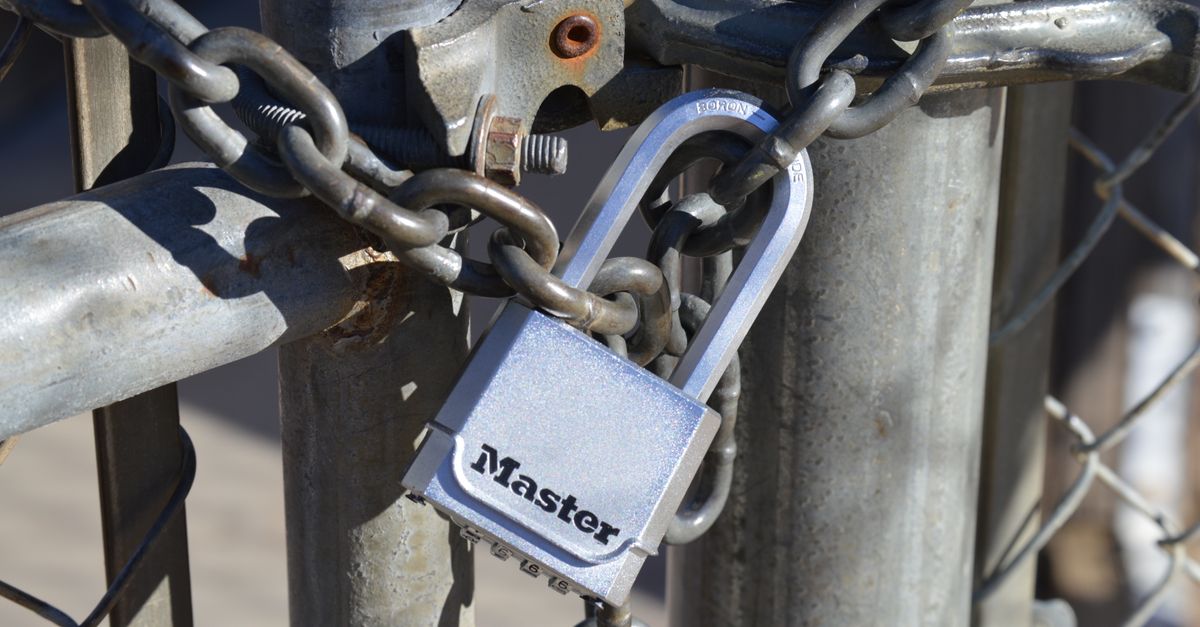
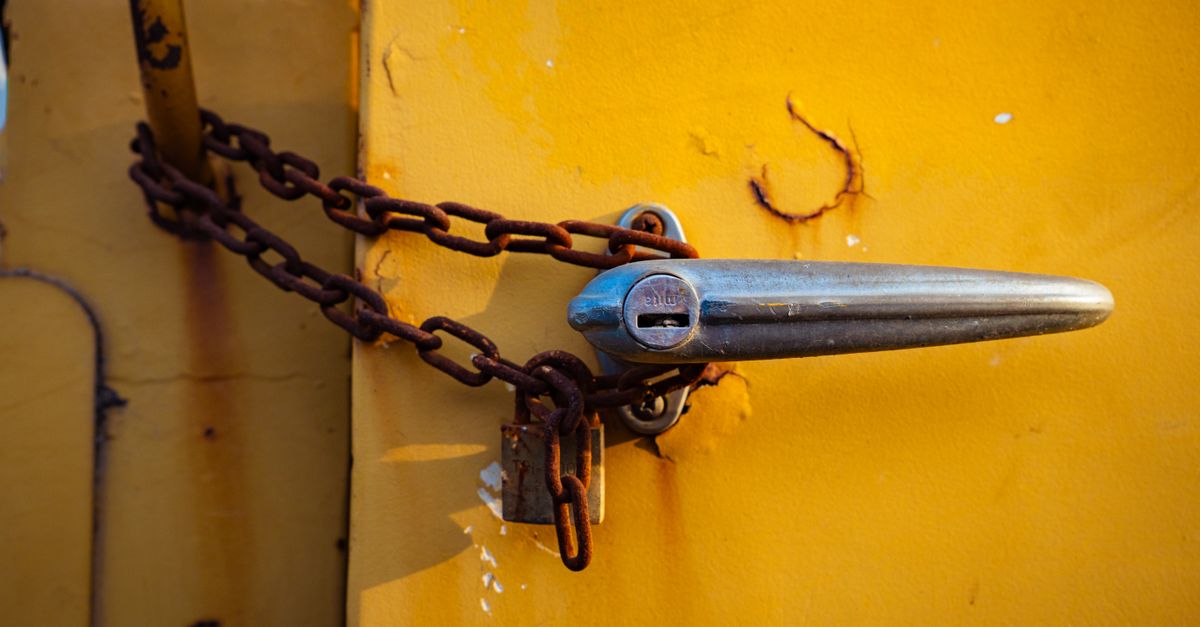
Our mobile units arrive prepared for a wide range of commercial lock and access situations. Specific services include: mortise lock cylinder extraction and replacement, mortise lock body replacement on steel and wood commercial doors, door knob lock removal and re-installation, commercial deadbolt opening and rekeying, master key system analysis and emergency re-keying, high-security restricted-keyway cylinder opening, rim-mount exit device (panic bar) lock service, electric strike emergency bypass and reset, keypad and electronic access control unit bypass for authorized personnel, aluminum storefront door lock opening, multi-point locking system emergency service, broken key extraction from commercial cylinders, key duplication for commercial keyways on-site, after-hours office suite lockout response, warehouse roll-up door lock service, interior office door knob lock opening, file cabinet and desk lock opening, padlock removal for secured commercial gates and storage units, mailroom lock opening and rekeying, server room and IT closet high-security lock service, lock replacement upgrades following a break-in or key loss event, rekeying after employee termination or key theft, commercial door closer and coordinator adjustment affecting lock engagement, fire-rated door hardware inspection and lock service, and after-hours retail storefront glass door lock opening. Every service is performed by a trained, insured technician who confirms an exact price before beginning work.

Frequently asked questions

How much is the average locksmith charge for a commercial lockout?

There is no single flat rate that applies to every commercial lockout because several variables directly shape the final number. The type of lock involved matters significantly — opening a standard door knob lock on an interior office door requires a different level of effort and tooling than servicing a seized mortise lock cylinder on a heavy steel storefront door. Time of day is a factor, since after-hours and overnight calls involve different technician availability. Travel distance to your Claymont location plays a role, as does whether any parts — a replacement cylinder, new keys, a rebuilt mortise lock component — are needed to fully restore access and security. What we commit to on every call is an exact, up-front quote confirmed with you before any work starts, so you know the full number and agree to it before a single tool is used. There are no surprise charges added after the job is done.

What is the most common locksmith task on a commercial property?

The single most frequent service call we receive for commercial properties is a lockout caused by a lost, forgotten, or broken key — most often affecting a mortise lock or deadbolt on a main entry door. A close second is broken key extraction, where a key snaps inside a cylinder during opening, which is especially common on older commercial hardware that has not been serviced in years. Rekeying after an employee departure or a key goes missing is also extremely common, and it is a service business owners sometimes delay longer than they should. In Claymont's older commercial buildings, worn mortise lock cylinders that have gradually become stiff are another frequent source of after-hours calls — what started as a slightly hard-to-turn key eventually refuses to turn at all, usually at the worst possible time.

What locks can locksmiths not open without damaging them?

A skilled, experienced locksmith can open the vast majority of commercial locks without causing damage, but there are meaningful exceptions rooted in how the hardware was engineered. High-security locks with anti-pick, anti-drill, and anti-impression features — certain grades of restricted-keyway mortise lock cylinders, for example — are specifically designed to resist non-destructive entry. In those cases, destructive entry (drilling) may be the only viable option, after which the lock body or cylinder must be replaced. Certain electronic access control units with encrypted credential systems cannot be bypassed at the hardware level without the administrative credentials or a factory reset process. Combination-dial locks on safes or vaults also fall into a specialized category that is distinct from standard door locksmithing. Our technicians will always assess the specific hardware first and tell you honestly whether non-destructive entry is achievable before proceeding — and if drilling is necessary, we carry replacement hardware to restore security the same visit.

Should I tip my locksmith after a commercial lockout service?

Tipping is entirely optional and never expected. Locksmith services are priced to fairly reflect the skill, equipment, travel time, and time-of-day factors involved in the work, so you are not relying on a gratuity to make the transaction fair. That said, many customers do choose to tip a technician who arrived quickly in the middle of the night, handled a stressful situation calmly, and left the door and lock in better condition than they found it. If you feel the service genuinely exceeded your expectations, a tip is always appreciated by the technician personally. What matters most to us as a business is that you felt the service was professional, transparent, and worth calling us again the next time your Claymont property needs lock work.

Can you verify that I own or manage the property before opening my locked business?

Yes, and we do this on every commercial call — it is a non-negotiable part of responsible locksmith practice. Before any work begins, our technician will ask for documentation that connects you to the property. This typically means a government-issued photo ID alongside a business license, a lease agreement, a utility bill in the business name at that address, or similar records. For a manager or employee acting on behalf of the business owner, a signed authorization letter combined with personal ID is usually sufficient. This process protects the actual property owner from unauthorized entry just as much as it confirms your own right of access. If you are calling on behalf of a property management company overseeing multiple Claymont commercial sites, let the dispatcher know when you call (631) 380-4138 and we can discuss the documentation process for recurring managed-property accounts.

Is it safe to wait until morning to call a locksmith if I am locked out of my business overnight?

In most cases, waiting until morning creates more risk than it resolves. An unsecured or improperly secured commercial property overnight — particularly a retail storefront or office on a busy corridor like Philadelphia Pike in Claymont — is a target for opportunistic crime. If your door is not fully locked because a key broke in the cylinder or a lock mechanism failed mid-closure, waiting hours for help leaves your inventory, equipment, and sensitive data exposed. There is also an operational cost: staff who arrive for an early morning shift cannot enter, deliveries may be missed, and alarm reset deadlines can lapse. Our 24/7 mobile service exists precisely because business emergencies do not conform to a 9-to-5 schedule. Calling (631) 380-4138 at 11 p.m. gets you a trained, insured technician dispatched immediately — the same quality of service you would receive at noon, at a price you confirm before work begins.

Locked out or need a lock fixed? We are on the way.

(631) 380-4138